The History of Window Coverings: From Ancient Civilizations to Modern Homes
Home window coverings have belonged to human background for hundreds of years, advancing from primitive products to the innovative layouts we appreciate today. While we frequently appreciate just how home window treatments enhance our homes, few realize the fascinating trip that brought them below. Allow's travel through time and explore just how societies across the world have actually formed the development of window curtains, shades, and window drapes right into what we currently think about vital parts of home design.
Old Beginnings: Function Before Fashion
The earliest home window treatments weren't concerning making a home look elegant; they were developed out of requirement. Ancient Egyptians are thought to have used reeds and papyrus to cover openings in their homes, giving shade and some defense from the ruthless sun. These treatments were lightweight and very easy to replace, excellent for the severe desert environment.
At the same time, across the Mediterranean, the Greeks and Romans presented fabrics like bed linen and wool to their insides. These very early forms of window drapes hung freely over doorways and windows, aiding to control interior temperatures and add a touch of personal privacy. Roman architecture later on affected how home window therapies were designed to work not equally as a shield, however as an elegant declaration in wealthier houses.
The Middle Ages: Heavy Fabrics and Practical Uses
As European castles and homes grew in size, home windows came to be larger-- and so did the requirement for far better coverage. During the Middle Ages, heavy products like velour and brocade were preferred for their ability to block drafts and keep warm. These thick drapes were not totally decorative; they served as important aspects for heat and convenience in stone-built frameworks.
Home window therapies in this period were usually abundant in color, delicately embroidered, and commonly functioned as makeshift walls in huge halls. Decorative patterns and lush materials symbolized social standing, making home window coverings an important part of interior design even after that.
The Renaissance: Artistry Meets Practicality
The Renaissance triggered a restored rate of interest in art, culture, and home design. With advancements in weaving and fabric manufacturing, house owners accessed to a larger variety of fabrics and patterns. Home window coverings became an imaginative expansion of a home's aesthetic, often resembling the majesty discovered in Renaissance paints and sculptures.
Tapestries and embroidered window curtains were a staple of upscale homes, their styles telling stories of mythological, spiritual, or day-to-day life scenes. The fad of using drapes not just for windows but also around beds and doorways came to be prevalent, weding function and charm.
The 18th and 19th Centuries: Refinement and Innovation
As the Industrial Revolution acquired momentum, fabric production blew up. Fabrics became more budget-friendly and easily accessible to the middle class, leading to an era where home window treatments were not just for the wealthy. Developments in poles, rings, and pulley systems enabled the early variations of what would later go to this website on motivate Hunter Douglas motorized blinds.
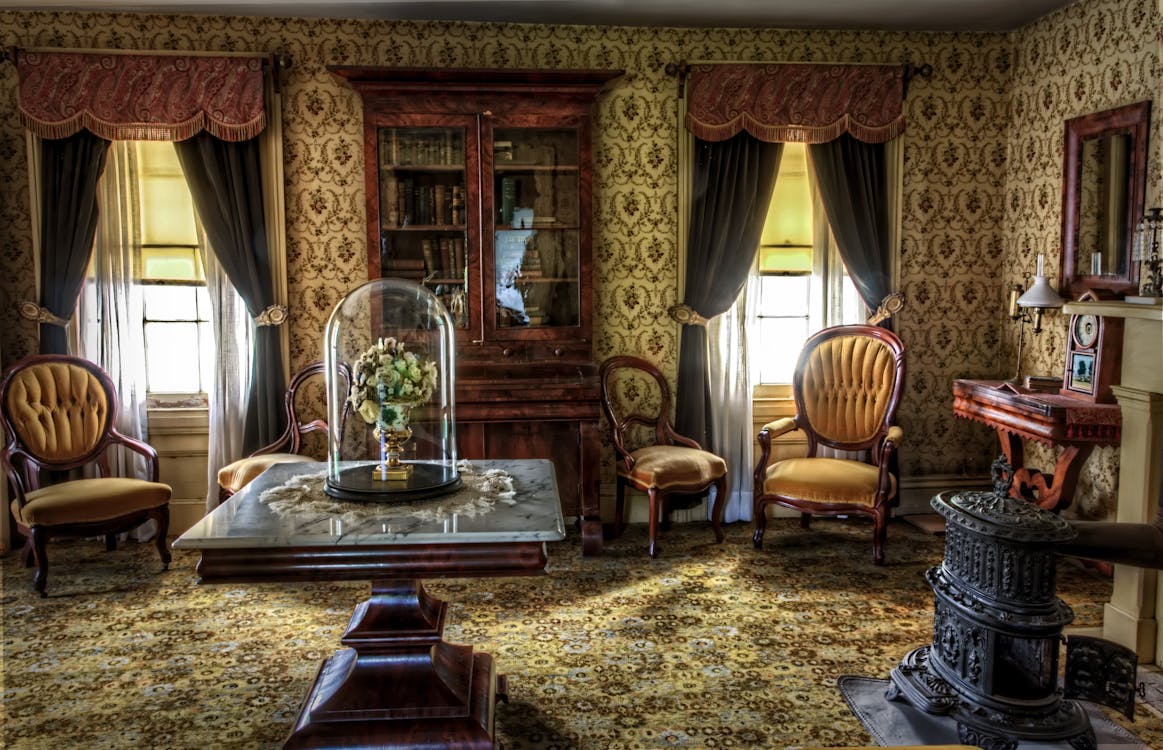
Throughout the Victorian age, the style of window therapies ended up being even more split and elaborate. Homes boasted hefty window drapes layered over lace sheers, with tassels, fringe, and intricate tiebacks completing the look. Home window coverings were no more just sensible however essential elements of interior design, mirroring the property owner's preference and condition.
The 20th Century: Embracing Minimalism and Technology
The 20th century brought radical changes. The tidy lines of innovation moved choices from opulence to simpleness. Property owners relocated away from heavy drape toward lighter, a lot more functional designs that emphasized the design of the home rather than overwhelming it.
As modern technology advanced, so did window treatments. Innovations caused the production of products like Hunter Douglas motorized shades, using homeowners comfort and specific light control at the touch of a button. This technological jump was greater than a deluxe; it represented a new age of living where convenience, design, and automation integrated effortlessly.
Fabric options likewise came to be more diverse, with synthetic materials offering affordable, resilient, and easy-to-maintain choices. This shift enabled individuals to explore various looks and performances, depending upon the requirements of each space.
Today's Window Coverings: A Blend of Style and Smart Living
Today, window treatments are a seamless blend of kind and feature. Whether you favor typical window curtains or sophisticated Hunter Douglas motorized shades, the series of alternatives is more comprehensive than ever before. Modern house owners can select coverings that flawlessly match their way of living, style, and sustainability choices.
Smart home combination has taken home window coverings to an entirely brand-new level. Systems attached to smart devices or voice-activated assistants offer the capacity to change shades based upon time of day, temperature, or perhaps your state of mind. And while motorized remedies like Hunter Douglas motorized blinds are at the forefront of this motion, there remains a deep admiration for the traditional elegance that typical drapes and curtains offer an area.
Eco mindful selections are likewise obtaining appeal, with materials like bamboo, natural cotton, and recycled fabrics ending up being essential consider acquiring decisions. Sustainability, when a second thought, is now a leading pattern in interior decoration, especially when it involves window treatments.
The Ever-Evolving Art of Dressing Windows
Home window treatments have certainly come a long way because the days of papyrus displays and woolen towels. From the heavy, fancy window drapes of middle ages Europe to the streamlined, technology-driven choices readily available today, their evolution mirrors the wider adjustments in society, innovation, and layout preferences.
In every era, the function behind home window therapies has stayed regular-- offering protection, comfort, and appeal-- yet the materials, technology, and designs have actually continuously advanced to meet the changing demands of the moments. As homes come to be smarter and lifestyles continue to shift, it's thrilling to picture what the future of window coverings will look like.
Follow us for more exciting explorations into home style patterns, and stay tuned for more stories that celebrate the timeless beauty and innovation found in every edge of your space!